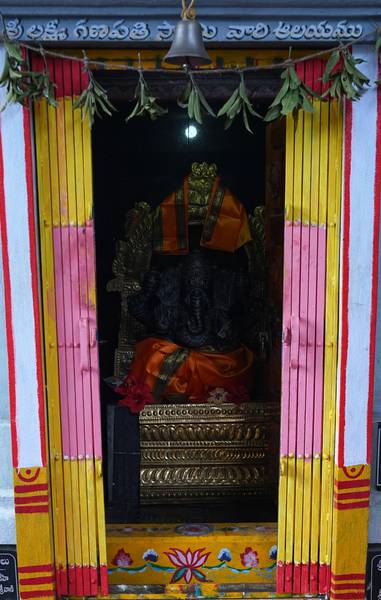
About the Temple
The Sri Varasiddhi Vinayaka Swamy Temple in Kanipakam, Andhra Pradesh, is one of the most spiritually significant Ganesha temples in India. It is primarily famous for its Swayambhu (self-manifested) idol that resides within a perennial well.
Sthala Purana
The origin of the temple dates back approximately 1,000 years and centers around a miracle involving three brothers:
The Three Brothers: According to legend, there were three brothers who were physically challenged—one was blind, one was deaf, and one was mute. They survived by cultivating a small patch of land using a "Piccota" system to draw water from a well.
The Discovery: One day, the well ran dry. While digging deeper to find water, one brother’s spade struck a stone-like object. To their horror, blood began gushing out of the stone, turning the well water red.
The Miracle: Upon witnessing this, all three brothers were instantly cured of their disabilities. News spread quickly, and when the villagers attempted to deepen the well further, the Swayambhu idol of Lord Vinayaka emerged from the swirling waters.
The Name "Kanipakam": The villagers offered thousands of coconuts, and the water covered an area of one and a quarter acres (known as a "Kani"). The word "Pakam" refers to the flow of water into the wetland. Thus, the place became known as Kanipakam.
Unique Features & Description The temple is unique for several physical and spiritual phenomena that defy standard explanation:
The Growing Idol: It is widely believed that the idol is continually growing in size. Devotees point to a silver Kavacham (armor) donated about 50 years ago that no longer fits the deity. Today, only the knees and abdomen are visible above the water line.
The Living Well: The idol remains in the original well where it was found. The water level in the well is said to remain constant regardless of the season, and this water is distributed to devotees as Theertham (holy water).
The "Court of Truth": The temple has a reputation as a seat of divine justice. Historically, disputes were settled here by taking a "prohibition oath" (dipping in the temple tank and swearing before the Lord). It is believed that those who lie before Kanipakam Vinayaka face immediate divine consequences.
Architecture: The temple was originally constructed in the early 11th century by the Chola King Kulothunga Chola I and was later expanded by the Vijayanagara Emperors in 1336. It features a classic Dravidian style with a towering Gopuram and a sacred temple tank (Koneru) in the front.
Bahuda River Legend The river flowing near the temple is called the Bahuda. Legend says two brothers, Sankha and Likhita, were on a pilgrimage. Likhita plucked a mango from an orchard without permission, and as punishment, his arms were cut off. After bathing in the river near this temple and praying to Lord Vinayaka, his arms were miraculously restored. Hence, the river was named Bahuda (Bahu meaning "arms" and Da meaning "given").
ఈ ఆలయ చరిత్ర సుమారు వెయ్యి సంవత్సరాల క్రితం ప్రారంభమైంది. దీని వెనుక ఒక అద్భుతమైన కథ ఉంది:
ముగ్గురు సోదరులు: పూర్వం కాణిపాకంలో ముగ్గురు సోదరులు ఉండేవారు. వారిలో ఒకరు గ్రుడ్డివాడు, ఒకరు చెవిటివాడు, మరొకరు మూగవాడు. వారు ఒక బావి ద్వారా నీటిని తోడి వ్యవసాయం చేసుకునేవారు.
బావిలో రక్తం: ఒక సంవత్సరం కరువు వల్ల బావిలోని నీరు ఎండిపోయింది. లోతుగా తవ్వుతుండగా, ఒక సోదరుడి పార ఒక రాయికి తగిలింది. వెంటనే ఆ రాయి నుండి రక్తం రావడం మొదలైంది, బావిలోని నీరంతా ఎర్రగా మారిపోయింది.
అద్భుతం: ఆ రక్తపు నీరు తాకగానే ముగ్గురు సోదరుల వైకల్యాలు మాయమై, వారు పూర్తి ఆరోగ్యవంతులయ్యారు. ఈ వార్త తెలిసిన గ్రామస్తులు బావిని ఇంకా తవ్వగా, అక్కడ స్వయంభూ వినాయక విగ్రహం బయటపడింది.
పేరు వెనుక అర్థం: గ్రామస్తులు వేల సంఖ్యలో కొబ్బరికాయలు కొట్టగా, ఆ నీరు ఎకరాంబావు (దీనినే 'కాణి' అంటారు) విస్తీర్ణంలో ప్రవహించింది ('పాకం'). అందుకే ఈ ప్రాంతానికి 'కాణిపాకం' అనే పేరు వచ్చింది.
దేవాలయ ప్రత్యేకతలు ఈ ఆలయం ప్రపంచవ్యాప్తంగా కొన్ని అరుదైన నమ్మకాలకు మరియు విశిష్టతలకు ప్రసిద్ధి:
పెరుగుతున్న విగ్రహం: ఇక్కడి వినాయక విగ్రహం నిరంతరం పెరుగుతూ ఉంటుందని భక్తుల నమ్మకం. దీనికి నిదర్శనంగా, గతంలో స్వామివారికి చేయించిన వెండి కవచాలు ఇప్పుడు సరిపోవడం లేదు. ప్రస్తుతం విగ్రహం యొక్క మోకాలు మరియు పొట్ట భాగం మాత్రమే మనకు కనిపిస్తాయి.
సత్య ప్రమాణాల నిలయం: ఈ క్షేత్రాన్ని "న్యాయస్థానం" గా భావిస్తారు. ఇక్కడ స్వామివారి సాక్షిగా చేసే ప్రమాణాలకు ఎంతో విలువ ఉంటుంది. తప్పు చేసిన వారు ఇక్కడ ప్రమాణం చేయడానికి భయపడతారు. ఇక్కడి పుష్కరిణిలో స్నానం చేసి ప్రమాణం చేస్తే నిజం వెల్లడవుతుందని నమ్మకం.
నిత్యం నీటిలో: వినాయకుడు వెలసిన బావిలో ఎప్పుడూ నీరు ఉంటుంది. వర్షాకాలం అయినా, ఎండాకాలం అయినా ఆ నీటి మట్టం మారదు. ఈ బావి నీటినే భక్తులకు తీర్థంగా ఇస్తారు.
నిర్మాణం: 11వ శతాబ్దంలో చోళ రాజు కులోత్తుంగ చోళుడు ఈ ఆలయాన్ని నిర్మించగా, 1336లో విజయనగర రాజులు దీనిని మరింత అభివృద్ధి చేశారు.
బహుదా నది కథ ఆలయ సమీపంలో ప్రవహించే నదిని 'బహుదా నది' అంటారు. శంఖుడు, లిఖితుడు అనే ఇద్దరు సోదరులలో, లిఖితుడు చేసిన ఒక చిన్న తప్పుకు శిక్షగా అతని చేతులు నరికివేయబడతాయి. అయితే, ఈ నదిలో స్నానం చేసి వినాయకుడిని ప్రార్థించగానే అతనికి తిరిగి చేతులు వస్తాయి. అందుకే ఈ నదికి 'బహుదా' (బహు అంటే చేతులు, దా అంటే ఇచ్చుట) అని పేరు వచ్చింది.
Poojas & Sevas
Special puja shall be performed
Puja shall be performed every 1st and 3rd Wednesday
Festivals
Vinayajka Chaviti shall be celebrated at grand. all the devotees are requested to attend and make festival grand success
Ganesh Navarathi is performed for 9 days at grand and special pujas shall be performed all the nine days right from morning to evening.
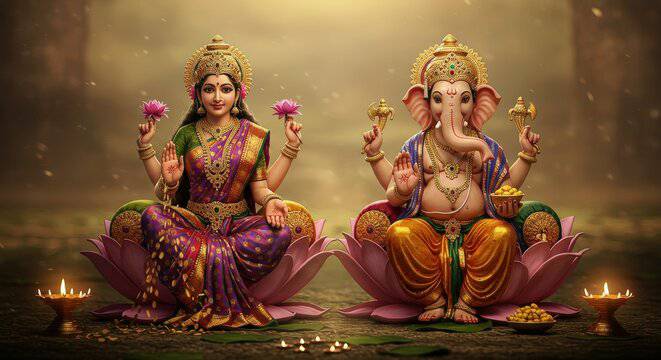
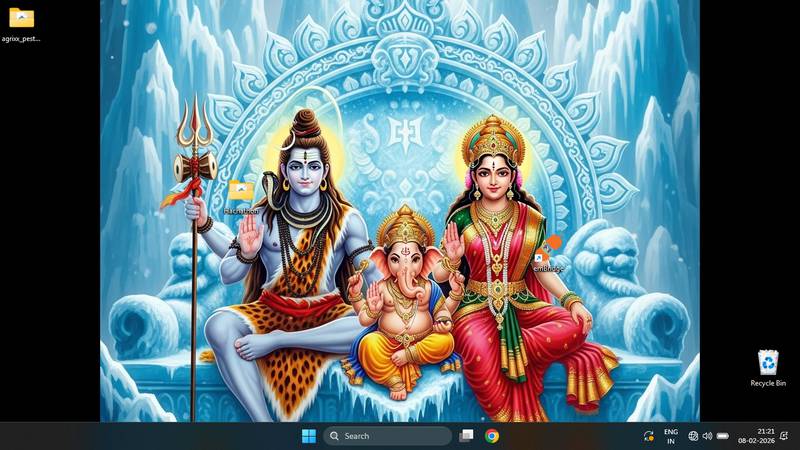
Temple Gallery 4 items
Donations & Offerings
Daily Sahasra Archana
₹116+
Every day Sahasra Archana to be perfomred to Lord Ganesha in the morning at 6 am.
Test
₹2000+
Offer Sponsorship
Weekly Wednesday Pooja
₹101+
Special Pooja shall be performed every wedness at 6 am. Devotees can pay Rs.101 per month.
Daily Sahasra Archana
₹501+
Support this sacred offering at Lakshmi Ganapathi